 Keycap
Blog · 2 min read ·
What typing consistency measures, and why it predicts your real speed
Consistency is how even your pace was across a typing run. It separates a speed you own from a lucky burst, and it is the figure most likely to tell you what to practise next.
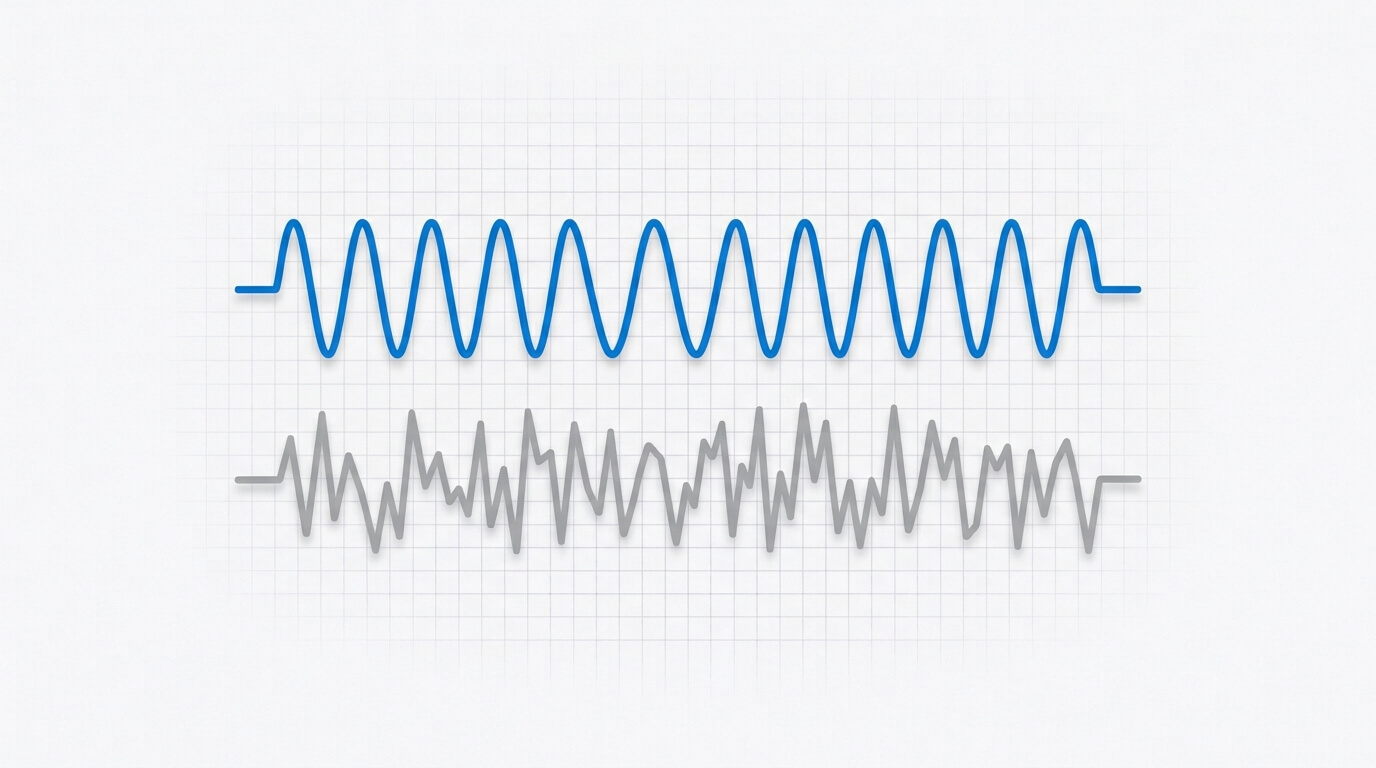
Two typists finish a one-minute test at 65 wpm. One held 65 the whole way. The other hit 95 on the easy words and stalled to 35 on the hard ones. The average is the same; the typists are not. Consistency is the number that tells them apart.
How it is measured
A test records your raw speed second by second across the run, then looks at how much that series varied. The less it varied, the higher the consistency. A typist whose speed never wavered would score 100%. In practice, fluent typists land in the 70s and 80s; beginners, whose speed depends on which keys come up, sit lower.
monkeytype popularised the figure and its definition, based on the variation of raw speed across the run, is the one other tools are compared against.
Why it matters more than the average
Your average speed on a test is partly luck: which words came up, and whether they used the keys you are good at. Consistency strips the luck out. A high consistency at 60 wpm means 60 is yours. A low consistency at 60 means your real speed is lower and a few good stretches pulled the number up.
It also tells you something the average cannot: where the speed is being lost. Low consistency means some keys or key pairs are far slower than the rest. Find those and you have found your next month of practice. High consistency with a low average means the opposite: no particular weak spot, and general practice will keep moving the number.
Reading the chart
Most tests draw raw speed over time. Look for:
- Dips that repeat. The same drop on every run, at the same kind of word, is a specific key or pair costing you.
- A fast start that fades. Fatigue or attention; try shorter runs.
- A slow start that climbs. You are reading ahead of your hands at the start. Common and harmless.
- Mistakes marked on the line. A stall after each one is the cost of the correction, and the case for accuracy over speed.
Improving it
Consistency improves when the slow keys catch up with the fast ones, not when the fast ones get faster. That means aimed practice: find the keys and pairs at the bottom of your per-key record and drill them until they match the rest. Broad practice raises the average and leaves the dips where they were.
Common questions
What is typing consistency?
A measure of how evenly you typed across a run, computed from the variation in your raw speed second by second. Higher means steadier.
What is a good consistency score?
Fluent typists usually score in the 70s and 80s. Below 60 suggests a few keys or key pairs much slower than the rest, which is a specific and fixable problem.
Why is my consistency low even though my wpm is high?
Because a few fast stretches are lifting the average over slow ones. Your real, repeatable speed is closer to the low points, and the slow keys causing them are the thing to practise.